



Sensitive Scalp? A Trichologist’s Tips for Flakes, Buildup, and Hair Loss
When people think about healthy hair, they often focus on the strands themselves.
But according to Board-Certified Trichologist and naturopath practitioner Tabitha, scalp health is the true foundation of healthy hair.
An irritated, inflamed, or imbalanced scalp can affect everything from hair shedding to hair quality and long-term growth.
Meet Tabitha
Tabitha is a Board-Certified Trichologist, hair loss educator, and naturopath practitioner with more than two decades of experience helping clients with hair loss, shedding, and scalp concerns.
She offers hair and scalp evaluations, customized treatment plans, scalp treatments, hair restoration support, and advanced testing to better understand what may be affecting the hair and scalp.
You can learn more about her work at TabithaFhair.com and her education platform, TrichoEDU.com.

Q&A With a Board-Certified Trichologist
What are the most common scalp concerns you see in your practice, and what do people misunderstand about them?
“The most common things I see are flaking, buildup, and inflammation. With so many follicles on the scalp, plus easier ways to trap bacteria, yeast, and leftover product, the scalp can get out of balance fast.
As a trichologist using a dermascope, it shows all of this under magnification. Many people are using products with unnecessary ingredients or simply not rinsing well enough.
What people misunderstand is that these symptoms are not small. They change the environment the hair has to grow in.”
How does scalp health impact hair quality and growth over time?
“Scalp health is the foundation. If the scalp is inflamed, congested, too oily, too dry, or irritated, the follicle is not working in a calm, healthy environment.
Over time, that can affect hair quality, shedding, and how strong the hair grows in. Healthy scalp, better chance for healthier hair.”
What ingredients should people with sensitive scalps avoid?
“I usually tell people to be careful with heavy fragrance, harsh cleansers, overloaded formulas, and essential oils used carelessly.
A sensitive scalp usually does better when we remove the noise and support the barrier instead of throwing more at it.”
What is one scalp care tip you wish everyone knew?
“Symptoms are not normal and hair does not like inflammation.
By the time the skin is itchy, burning, flaky, or sore, that is often the body signaling that something is off. The body is smart. The skin usually speaks up when the barrier is disrupted or inflammation is already there.
Hair loss can be the same way. It is often a signal, not just a surface problem.”

Why OCHRE Resonates With People Who Have Sensitive Scalps
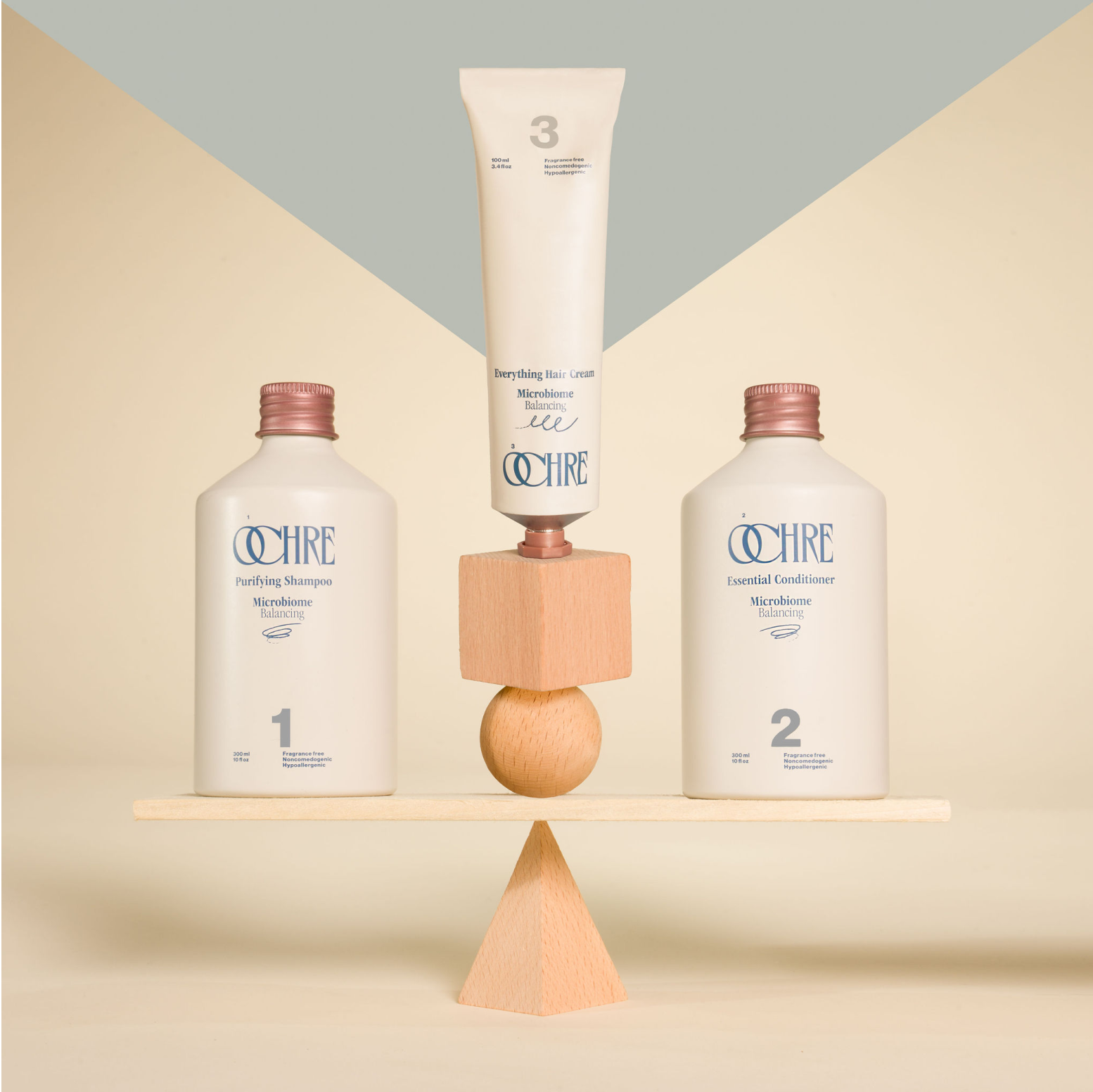
“OCHRE stood out to me because you understand that people do not need more toxic overload. So many products include ingredients that are not needed to properly cleanse and balance the scalp.
We do not need more fragrance and more things that can make people sensitive. We already get enough of that everywhere else. We need a healthy environment for the hair to thrive.”
Final Thoughts
Healthy hair starts with a healthy scalp.
If you are dealing with flaking, irritation, buildup, or shedding, it may be worth taking a closer look at the products you use and whether they are supporting or disrupting your scalp barrier.
For people with sensitive scalps, simpler formulas and fewer potential irritants can make a meaningful difference over time.


